
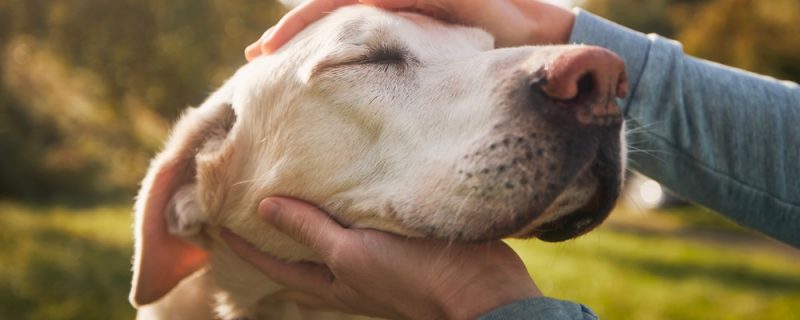
Senior Pet Care 101: Helping Aging Dogs and Cats Thrive in St. Francisville
There is something deeply special about sharing your life with a senior pet. The gray muzzle, the slower pace, the way they seem to look at you with years of trust and loyalty in their eyes. Pets in their golden years deserve thoughtful, attentive care, and for families in St. Francisville, LA, understanding what aging dogs and cats need can make all the difference in their comfort and quality of life.
Whether your dog is entering their senior years around age seven or your cat is settling into a slower rhythm after ten or more years, the right approach to aging pet care can help them thrive for seasons to come.
Recognizing the Signs of Aging in Dogs and Cats
One of the first steps in senior pet care is simply learning to recognize the changes that come with age. Dogs and cats experience aging differently, but both will show signs that their bodies and minds are shifting.
In senior dogs, you might notice a reluctance to climb stairs, stiffness after rest, cloudiness in the eyes, increased thirst, or a general slowing down on walks. Some dogs develop hearing or vision loss gradually, which can sometimes be mistaken for stubbornness or disobedience. Weight changes are also common, with some dogs gaining weight due to reduced activity and others losing muscle mass as they age.
Senior cats tend to be quieter about their discomfort, which means owners have to pay closer attention. Cats may sleep more than usual, groom themselves less effectively, lose weight despite a good appetite, or become more vocal, especially at night. Changes in litter box habits, such as going outside the box or straining, should never be ignored in an older cat.
For pet owners in St. Francisville, staying attuned to these changes and keeping a simple log of symptoms or behavioral shifts can be an invaluable tool when visiting your veterinarian.
Nutrition and Weight Management for Aging Pets
What your pet eats in their senior years matters more than ever. Senior dog care and senior cat care both hinge significantly on providing the right nutrition to support aging joints, organ function, immune health, and healthy body weight.
Senior dog formulas are typically lower in calories and higher in fiber, with added joint-supporting nutrients like glucosamine and chondroitin. Dogs with kidney concerns may benefit from reduced phosphorus, while those with heart conditions may need sodium-restricted diets. Always consult your veterinarian before switching foods, especially if your dog has a diagnosed condition.
For cats, the picture is a little different. Many senior cats actually struggle to maintain weight rather than gain it, which means higher-protein, calorie-dense foods are sometimes appropriate. Wet food is often recommended for older cats because it supports hydration, which is especially important since cats are prone to kidney disease as they age. Warming food slightly can also encourage a senior cat with a reduced sense of smell to eat more readily.
In St. Francisville, LA, where summer heat can be intense, hydration deserves extra emphasis for both aging dogs and cats. Fresh water should always be available, and pets should never be left in environments where they can overheat, as senior animals are far less resilient to temperature extremes than younger ones.
Veterinary Care and Preventive Health Screenings
Routine veterinary care becomes even more critical as pets age. The general recommendation for senior dogs and cats is to schedule wellness visits at least twice a year rather than annually. This is because health conditions in older animals can progress quickly, and early detection makes a significant difference in outcomes.
At these visits, your veterinarian may recommend bloodwork to assess kidney and liver function, thyroid levels, blood sugar, and red and white blood cell counts. Dental health is another area that often gets overlooked but has a direct impact on overall wellness. Dental disease is extremely common in older pets and can contribute to heart, kidney, and liver problems if left unaddressed.
For those practicing aging pet care in St. Francisville, it is worth asking your local veterinarian about pain management options for arthritis, which is one of the most widespread conditions in senior dogs and cats. Many pets live with chronic joint pain that goes unrecognized simply because animals instinctively hide their discomfort. Newer medications, joint supplements, laser therapy, and even acupuncture have all shown promise in helping senior pets move more comfortably.
Keeping up with parasite prevention is equally important. Older pets may have immune systems that are less equipped to handle heartworm, fleas, and ticks, so staying current on preventive medications is a simple but impactful part of senior dog care and senior cat care in Louisiana’s climate.
Creating a Comfortable and Safe Home Environment
The physical environment your pet lives in plays a huge role in their daily comfort during their senior years. Small adjustments around the home can ease the challenges that come with aging joints, reduced mobility, and sensory changes.
For senior dogs, consider providing an orthopedic dog bed that supports achy joints and keeps them off cold hard floors. Ramps or steps near furniture and vehicles can reduce the strain of jumping, which can worsen arthritis over time. Non-slip rugs on hardwood or tile floors are also a thoughtful addition, since older dogs can struggle with traction and are more prone to falls.
Senior cats benefit from litter boxes with low entry points so they do not have to stretch or climb to get inside. Keeping food, water, and litter on the same floor of the home avoids unnecessary trips up and down stairs. Warm, cozy resting spots away from drafts or direct air conditioning vents will help a senior cat feel settled and secure.
For families in St. Francisville with both dogs and cats, maintaining consistent routines is particularly comforting for aging pets. Older animals can become more sensitive to changes in schedule, new visitors, loud noise, or shifts in the household dynamic. Stability and predictability are quiet forms of care that support mental and emotional wellbeing in senior animals.
Emotional Wellbeing and Quality of Life
Senior pet care goes beyond the physical. The emotional lives of aging dogs and cats are just as important as their medical needs, and keeping them engaged, loved, and mentally stimulated contributes directly to their longevity and happiness.
For senior dogs, this might look like shorter, gentler walks that still allow them to sniff and explore their surroundings. Mental enrichment through puzzle feeders, gentle training exercises, or simply more time spent close to their people can keep their minds sharp. It is important not to assume that a senior dog wants to be left alone simply because they move more slowly. Many older dogs are just as social and affectionate as they were in their younger years.
Cats benefit from interactive play sessions tailored to their current energy level, as well as window perches where they can watch birds and outdoor activity. Spending quiet time together, gentle grooming sessions, and speaking softly to an older cat all reinforce the bond and sense of safety that older animals need.
Cherishing Every Season Together
Aging pet care in St. Francisville, LA is ultimately an act of love. Your senior dog or cat has given you years of companionship, and the care you invest in their golden years is a meaningful way to honor that relationship. By staying informed, working closely with your veterinarian, and making thoughtful adjustments to their daily life, you can help your aging pet not just survive but truly thrive in every season they have left.
Need a Veterinary Clinic in Saint Francisville, LA?
Categorised in: Pet Care